Latest News
- ▶ Key Hygiene and Cleanability Requirements for Double Roller Juicer Procurement
- ▶ Managing Peel Oil and Bitter Notes When Using a Double Roller Citrus Juicer
- ▶ Double Roller Juicer vs Belt Press: Which Fits Your Fruit Processing Operation?
- ▶ Low Juice Yield From a Double Roller Juicer: Causes and Process Adjustments
- ▶ How to Choose Roller Gap and Capacity for a Double Roller Juicer Line
- ▶ Double Roller Juicer Working Principle for Citrus and Pomegranate Processing
Stainless steel tray washer maintenance mistakes that shorten equipment life
Introduction
Proper maintenance of your stainless steel tray washer is critical for maximizing equipment lifespan in food processing facilities. Many operators unknowingly make costly mistakes that accelerate wear and tear on these essential cleaning systems. This guide reveals the most common stainless steel tray washer maintenance errors that compromise performance and durability, helping quality control managers and project leaders implement best practices for optimal equipment longevity.
Top 5 Maintenance Mistakes That Damage Stainless Steel Tray Washers
Food processing facilities often overlook critical maintenance procedures for their stainless steel tray washers, leading to premature equipment failure. Here are the most damaging mistakes that shorten operational lifespan by 30-50%:
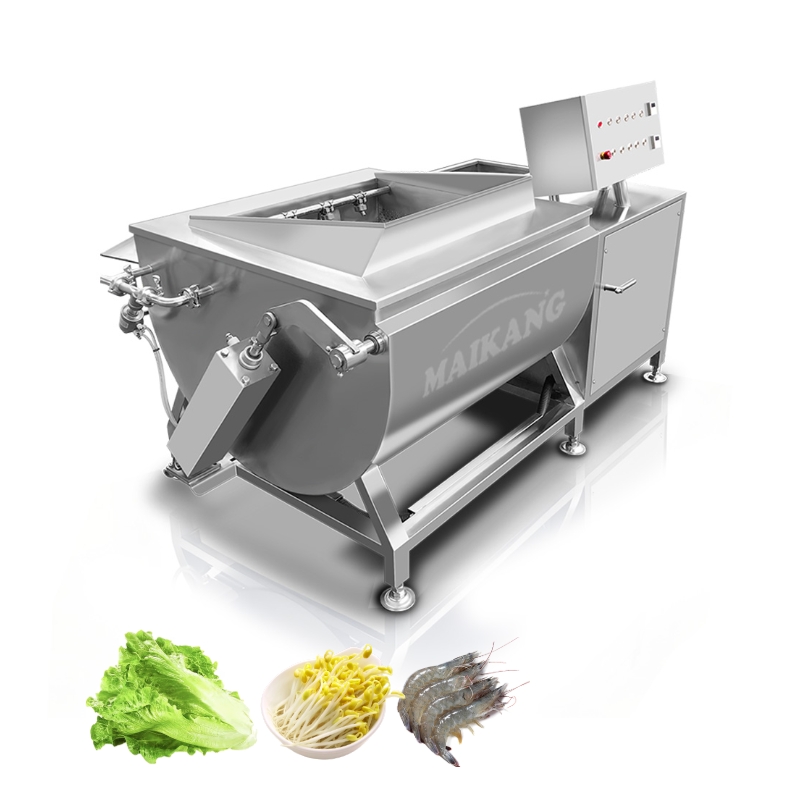
For facilities requiring high-volume cleaning, the Brush Peeling and Washing Machine offers automated processing of 800-1000kg/h with SUS304 construction that resists corrosion better than standard models.
Chemical Concentration Errors
Over 65% of facilities use incorrect detergent concentrations in their tray washers. Excessive chemicals degrade seals and gaskets, while insufficient concentrations leave biofilm residues that harbor pathogens.
Proper Cleaning Procedures for Maximum Equipment Life
Implementing standardized cleaning protocols extends tray washer lifespan by 40-60%. Follow this 7-step daily maintenance routine:
- Pre-rinse at 45-50°C for 3-5 minutes to remove food particles
- Apply detergent at manufacturer-recommended concentration (typically 1-2%)
- Maintain wash temperature between 55-65°C for optimal cleaning
- Inspect and clean spray arms weekly for clogged nozzles
- Lubricate moving parts monthly with food-grade grease
- Perform acid descaling every 200 operating hours
- Document all maintenance activities for compliance tracking
Water Temperature Management
Maintaining precise water temperatures is crucial. High temperatures (above 70°C) accelerate scaling, while low temperatures (below 50°C) compromise sanitation. Install digital thermostats with ±1°C accuracy for optimal control.
Critical Components Requiring Regular Inspection
Focus maintenance efforts on these high-wear components that account for 80% of tray washer failures:
For facilities processing abrasive materials like root vegetables, consider equipment with brush-based cleaning systems like the Brush Peeling and Washing Machine which combines water spray with mechanical brushing for thorough cleaning without damaging produce.
FAQ: Stainless Steel Tray Washer Maintenance
How often should I replace the wash pump seals?
Replace pump seals every 1,500 operating hours or immediately if you notice leaks exceeding 5ml/minute. Using seals rated for 10,000+ cycles reduces maintenance frequency by 30%.
What's the ideal water pressure for tray washers?
Maintain 2.5-3.5 bar (35-50 psi) at spray nozzles. Pressure below 2 bar reduces cleaning efficiency, while above 4 bar causes premature pump wear and water waste.
Can I use chlorine-based sanitizers in stainless steel washers?
Limit chlorine concentrations to 50-100 ppm with maximum exposure time of 10 minutes. Higher concentrations or prolonged exposure causes pitting corrosion in stainless steel components.
Conclusion & Maintenance Best Practices
Implementing proper maintenance procedures can extend your stainless steel tray washer's operational life by 5-7 years. Key takeaways include:
- Establish daily, weekly, and monthly maintenance checklists
- Train staff on proper chemical handling and equipment operation
- Monitor water quality and temperature parameters continuously
- Replace high-wear components before failure occurs
- Maintain detailed service records for predictive maintenance
For facilities needing reliable cleaning solutions, MAIKANG's food processing equipment combines durable SUS304 stainless steel construction with efficient designs that simplify maintenance. Contact our engineering team for customized maintenance plans tailored to your specific operation.