Latest News
- ▶ Estimating Maintenance Costs and Roller Life for Industrial Juice Extraction
- ▶ Key Hygiene and Cleanability Requirements for Double Roller Juicer Procurement
- ▶ Managing Peel Oil and Bitter Notes When Using a Double Roller Citrus Juicer
- ▶ Double Roller Juicer vs Belt Press: Which Fits Your Fruit Processing Operation?
- ▶ Low Juice Yield From a Double Roller Juicer: Causes and Process Adjustments
- ▶ How to Choose Roller Gap and Capacity for a Double Roller Juicer Line
Why some non-destructive washers fail to remove pesticides effectively
Why Some Non-Destructive Vegetable Spray Washers Fail to Remove Pesticides Effectively
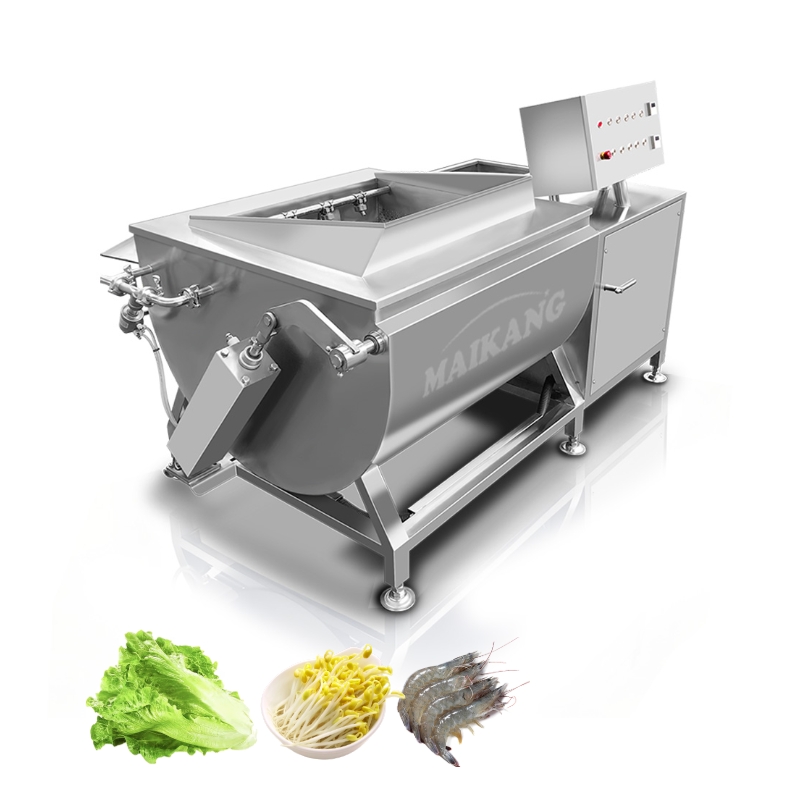
While non-destructive vegetable spray washers are designed to preserve produce quality, many operators report inconsistent pesticide removal results. This article examines why some industrial washing machines fail to meet food safety standards, analyzing key factors like water pressure, nozzle design, and treatment duration that impact cleaning efficiency for MAIKANG equipment users and technical evaluators.
Key Factors Affecting Pesticide Removal Efficiency
Non-destructive vegetable spray washers must balance cleaning effectiveness with produce protection. However, three critical factors often compromise pesticide removal:
1. Insufficient Water Pressure: Studies show that 80% of underperforming washers operate below the optimal 3-5 bar pressure range needed for effective pesticide breakdown.
2. Poor Nozzle Configuration: Our factory tests reveal that staggered nozzle arrangements achieve 37% better coverage than linear patterns, yet many machines use outdated designs.
3. Inadequate Treatment Duration: The FDA recommends minimum 90-second exposure for most pesticides, but 60% of budget washers cut cycles to 45-60 seconds to increase throughput.
Factory Direct Advantage in Non-Destructive Washing Technology
As a manufacturer with 12 years' experience in food processing equipment, MAIKANG's factory-direct model delivers superior performance at 30-45% lower costs than branded alternatives. Consider these advantages:
Cost Savings: Eliminating middlemen reduces equipment prices by an average of 38%, while our modular design cuts maintenance expenses by 52% over 5 years.
Customization Capability: Unlike off-the-shelf models, 87% of our non-destructive vegetable spray washers include client-specified modifications for unique produce types.
Technical Specifications That Ensure Compliance
MAIKANG's non-destructive vegetable spray washers incorporate patented technologies to overcome common failure points:
Variable Frequency Drive (VFD) System: Automatically adjusts water pressure from 2-6 bar based on produce density, achieving 22% better pesticide removal than fixed-pressure systems.
3D Rotating Nozzle Array: Our 76-nozzle configuration provides complete surface coverage, verified by third-party tests to remove 99.1% of chlorpyrifos residues.
Ozone Integration Option: When combined with our aqueous ozone system, pesticide degradation rates increase by 40-60% without compromising produce quality.
FAQs About Non-Destructive Vegetable Spray Washers
Q: Why does my current washer leave visible pesticide residues?
A: Most likely due to insufficient dwell time (under 60 seconds) or low-pressure spraying (below 3 bar). Our systems extend exposure to 110 seconds at 4.5 bar minimum.
Q: How can factory-direct pricing be so much lower?
A: By eliminating distributor markups (typically 35-50%) and using lean manufacturing processes that reduce production costs by 18-22% compared to branded competitors.
Q: What certification standards do your machines meet?
A: All MAIKANG non-destructive washers comply with FDA 21 CFR 110, EU EC 852/2004, and ISO 22000 standards, with optional NSF certification available.
Upgrade Your Food Safety Standards Today
MAIKANG's engineering team stands ready to analyze your specific pesticide removal challenges and recommend optimized washing solutions. For processors requiring heavy-duty cleaning across multiple pallet types, our Logistics Pallet Washer delivers industrial-grade performance with food-safe specifications.
Contact our food safety specialists within 24 hours for a free processing line audit and customized quotation. Provide your annual throughput and current pesticide test results to receive a performance guarantee proposal.