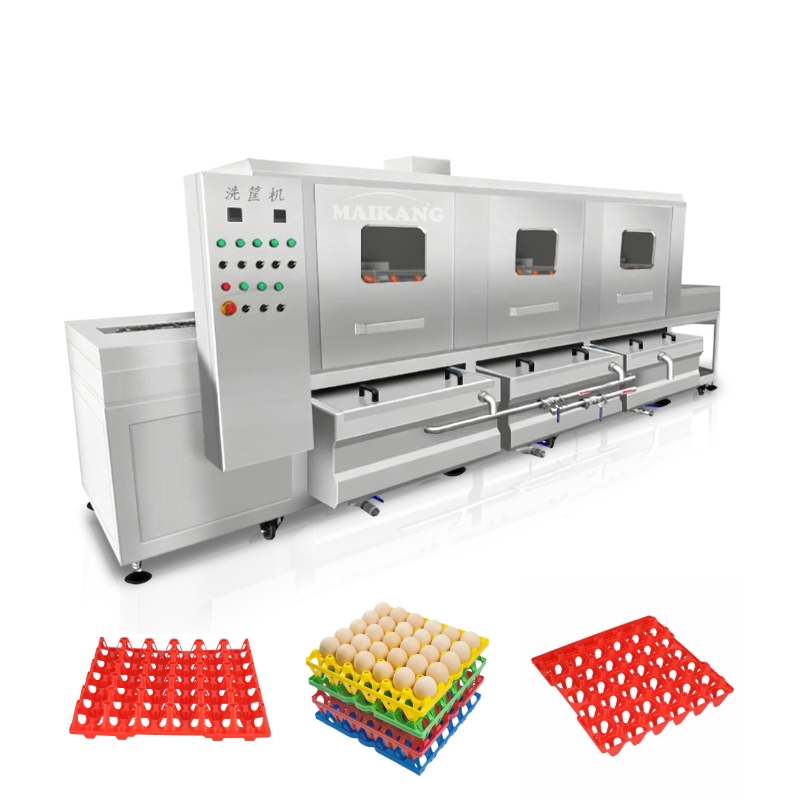
What Is An Egg Tray Washing Machine?
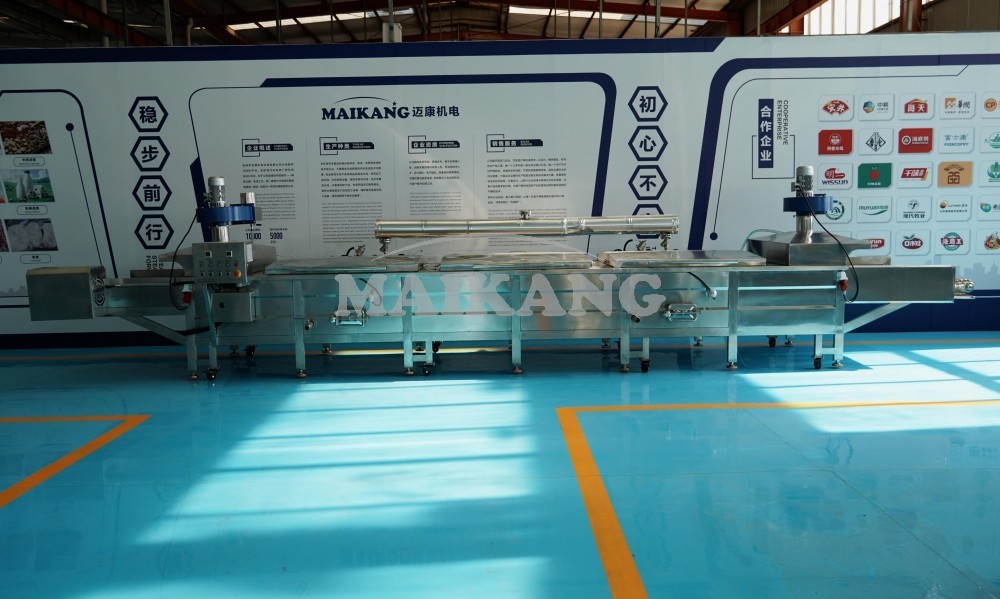
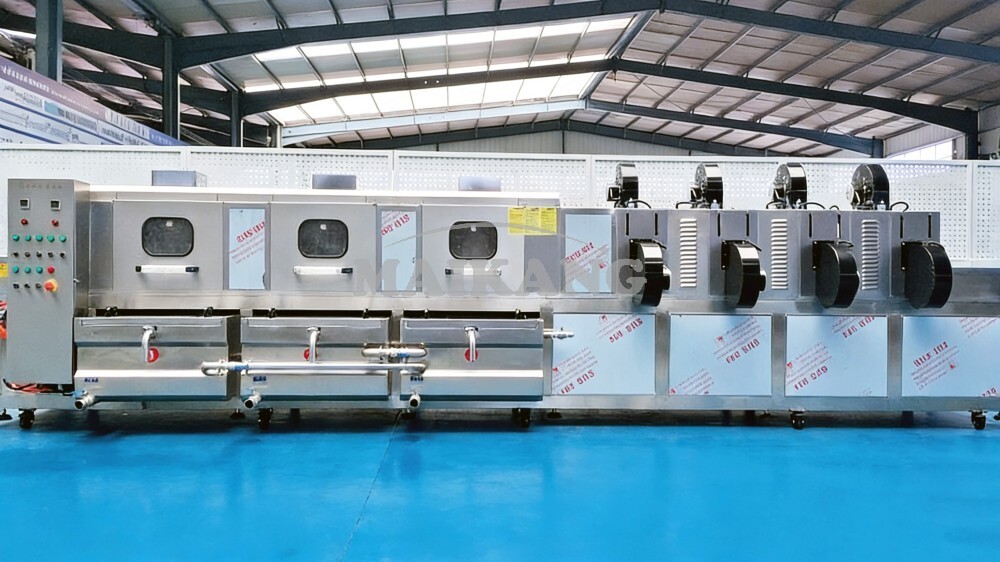
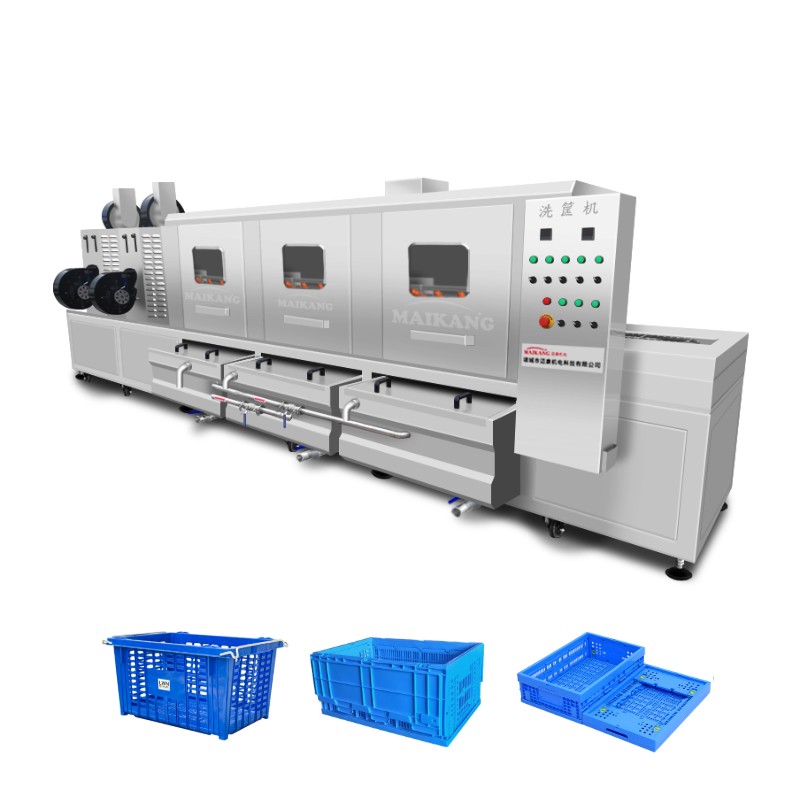
An egg tray washing machine is specialized equipment designed to clean and sanitize egg trays used in poultry farms and food processing facilities. These machines play a crucial role in maintaining hygiene standards and preventing cross-contamination in egg handling operations.
Modern egg tray washing machines typically feature high-pressure water jets, detergent injection systems, and sometimes steam sterilization capabilities. They are built to withstand continuous operation in demanding food processing environments while ensuring thorough cleaning of various tray materials.
The industrial standards for these machines include food-grade material construction, corrosion-resistant components, and compliance with food safety regulations such as HACCP and FDA requirements for equipment contacting food products.
Why Choose Modern Egg Tray Washing Solutions?
Traditional manual cleaning methods for egg trays are labor-intensive, inconsistent, and often fail to meet modern hygiene standards. Modern egg tray washing machines from manufacturers like Zhucheng Maikang Mechanical and Electrical Technology Co., Ltd. offer significant advantages in efficiency and sanitation.
These machines can process hundreds of trays per hour with consistent cleaning quality, reducing labor costs by up to 80% compared to manual washing. The automated systems ensure proper detergent application, rinsing, and drying cycles that manual processes cannot match.
From a food safety perspective, professional egg tray washing machines eliminate the risk of bacterial buildup that can occur with improper cleaning. This is particularly critical in large-scale operations where disease prevention is paramount.
Who Needs An Egg Tray Washing Machine?
Egg tray washing machines serve a wide range of businesses in the poultry and food processing industries. The primary users include commercial egg producers, egg grading and packaging facilities, and large-scale poultry farms that reuse plastic or pulp egg trays.
Food processing plants that handle egg products also benefit from these machines, especially when they need to maintain strict hygiene standards for secondary packaging. The equipment is particularly valuable for operations processing more than 10,000 eggs daily, where manual cleaning becomes impractical.
Export-oriented egg producers often invest in high-quality washing machines to meet international food safety standards required by markets in Europe, North America, and other regulated regions.
Key Applications And Global Standards
Egg tray washing machines are deployed in various critical points of the egg production chain. They're commonly used at farm collection points, before grading operations, and in packaging facilities where trays are prepared for reuse.
Globally, these machines must comply with food equipment standards that vary by region. In the EU, they must meet EN 1672-2 standards for food machinery safety. USDA and FDA regulations apply in the United States, while other markets may have specific local requirements.
Zhucheng Maikang Mechanical and Electrical Technology Co., Ltd. designs their egg tray washing machines to meet these diverse international standards, making them suitable for export-oriented food processing businesses.
Maintenance And Industry Trends
Proper maintenance of an egg tray washing machine typically involves daily cleaning of filters and nozzles, weekly inspection of pumps and conveyors, and monthly checks on electrical components. Most quality machines require major servicing every 1,000 operating hours.
The industry is moving toward more energy-efficient designs with water recycling systems and IoT-enabled monitoring. Future models may incorporate AI for predictive maintenance and automated adjustment of cleaning parameters based on tray condition.
Manufacturers like Zhucheng Maikang are responding to these trends by developing machines with lower water consumption and smart control systems that reduce operational costs while maintaining cleaning effectiveness.
How Egg Tray Washing Machines Work
The typical egg tray washing process begins with pre-rinsing to remove loose debris, followed by a high-pressure wash with sanitizing solution. Most machines then include a thorough rinse cycle and often a drying stage before trays are ready for reuse.
Quality machines feature stainless steel construction in food-contact areas, precision-engineered spray nozzles for complete coverage, and durable conveyor systems that withstand continuous operation. The best models include sensors to monitor cleaning effectiveness and automatic chemical dosing systems.
Installation requires proper water supply and drainage connections, adequate electrical service, and sufficient space for operation and maintenance access. Professional installation by factory-trained technicians ensures optimal performance.
Cost Considerations And ROI Analysis
The total cost of ownership for an egg tray washing machine includes the purchase price, installation, utilities (water and electricity), maintenance, and labor for operation. Mid-range industrial models typically range from $15,000 to $50,000 depending on capacity and features.
Businesses should evaluate ROI based on labor savings, reduced tray replacement costs, and improved operational efficiency. Most operations recover their investment within 12-24 months through these savings, with additional benefits in food safety compliance and product quality.
When comparing options, consider energy-efficient models that may have higher upfront costs but lower operating expenses. Machines with modular designs also offer better long-term value as they can be upgraded as needs change.
 Egg Tray Washing Machine Price Guide for 2026Egg Tray Washing Machine price guide for 2026: compare costs, capacity, and ROI. Find a trusted Egg Tray Washing Machine supplier and choose the right system for your project.
 How to Evaluate Stainless Steel Tray Washer Capacity for Bakery and Meal Prep LinesStainless steel tray washer capacity for bakery and meal prep lines: learn how to compare tray size, cycle time, utilities, hygiene, and growth needs before you buy.
 Automatic Peeler Performance Benchmarks for Root VegetablesAutomatic peeler benchmarks for root vegetables: compare throughput, peel loss, surface quality, and maintenance needs to choose equipment that boosts yield and line efficiency.
 How to Evaluate an Egg Tray Washing Machine ManufacturerEgg Tray Washing Machine manufacturer selection starts with factory strength, machine quality, customization, and after-sales support. Learn how to compare suppliers and reduce sourcing risk.