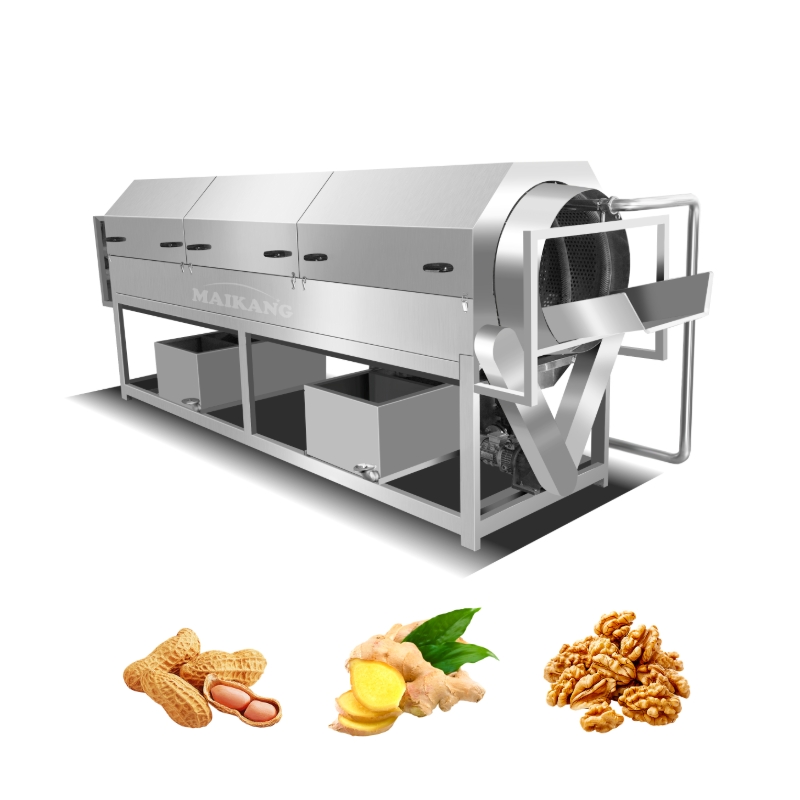
What Is An Industrial Washer?
An industrial washer is a specialized machine used in the food processing industry to clean, sanitize, and prepare raw materials, equipment, and packaging. These washers are designed to handle high volumes and rigorous cleaning requirements, ensuring compliance with food safety regulations such as FDA and HACCP standards.
Industrial washers come in various configurations, including high-pressure spray systems, immersion tanks, and conveyor-based designs. They are built with durable materials like stainless steel to withstand harsh cleaning agents and frequent use.
The primary function of an industrial washer is to remove contaminants, bacteria, and residues from food products and processing equipment. This ensures the safety and quality of the final product while maintaining operational efficiency.
Why Are Industrial Washers Essential In Food Processing?
Industrial washers play a critical role in maintaining hygiene and safety in food processing facilities. Without proper cleaning, food products can become contaminated with harmful bacteria, leading to health risks and regulatory violations.
Compared to manual cleaning methods, industrial washers offer consistent results, reduced labor costs, and faster processing times. They are designed to meet the specific needs of different food products, from fruits and vegetables to meat and dairy.
Zhucheng Maikang Mechanical and Electrical Technology Co., Ltd. provides robust industrial washers that meet international standards, ensuring reliability and performance in demanding environments.
Who Uses Industrial Washers?
Industrial washers are used by a wide range of businesses in the food processing industry, including meat processors, dairy plants, fruit and vegetable packers, and beverage manufacturers. These machines are essential for any operation that requires high standards of cleanliness and efficiency.
Small-scale producers may use compact washers, while large facilities rely on industrial-grade systems capable of handling tons of product per hour. The versatility of industrial washers makes them suitable for various applications, from raw material cleaning to equipment sanitation.
Food safety inspectors and quality control teams also depend on industrial washers to ensure compliance with hygiene standards, making them indispensable in modern food processing.
Where And When Are Industrial Washers Used?
Industrial washers are deployed at various stages of food processing, from initial raw material handling to final packaging. They are commonly found in slaughterhouses, canneries, bakeries, and ready-to-eat food production lines.
Global market standards require food processors to implement rigorous cleaning protocols, making industrial washers a necessity in regions with strict food safety regulations. These machines are also used in seasonal operations, such as fruit harvesting, where high-volume cleaning is required within short timeframes.
Zhucheng Maikang Mechanical and Electrical Technology Co., Ltd. offers solutions tailored to different geographic and operational needs, ensuring compliance with local and international standards.
How Are Industrial Washers Manufactured And Maintained?
The manufacturing process of industrial washers involves precision engineering and high-quality materials. Stainless steel is commonly used for its corrosion resistance and durability. Advanced welding and fabrication techniques ensure the machines can withstand high-pressure cleaning and frequent use.
Regular maintenance is crucial to prolong the lifespan of industrial washers. This includes routine inspections, lubrication of moving parts, and replacement of worn components. Proper installation and operator training are also essential to maximize efficiency and minimize downtime.
Zhucheng Maikang Mechanical and Electrical Technology Co., Ltd. emphasizes quality control throughout the production process, delivering reliable and long-lasting industrial washers.
How Much Does An Industrial Washer Cost?
The total cost of ownership (TCO) for an industrial washer includes the initial purchase price, installation, maintenance, and operational expenses. Factors such as capacity, automation level, and material quality significantly influence the price.
Investing in a high-quality industrial washer can lead to long-term savings by reducing labor costs, minimizing downtime, and ensuring consistent cleaning performance. Businesses should consider the return on investment (ROI) when selecting a washer, balancing upfront costs with operational benefits.
Zhucheng Maikang Mechanical and Electrical Technology Co., Ltd. offers competitive pricing and reliable after-sales support, making their industrial washers a cost-effective choice for food processors.
Future Trends In Industrial Washers
The future of industrial washers lies in automation, energy efficiency, and smart technology. Advances in IoT-enabled devices allow for real-time monitoring and predictive maintenance, reducing downtime and improving efficiency.
Water and energy conservation are also becoming priorities, with manufacturers developing washers that use less resources without compromising performance. Sustainable materials and eco-friendly cleaning agents are expected to gain prominence in the industry.
Zhucheng Maikang Mechanical and Electrical Technology Co., Ltd. is at the forefront of these innovations, continuously improving their products to meet the evolving needs of the food processing industry.
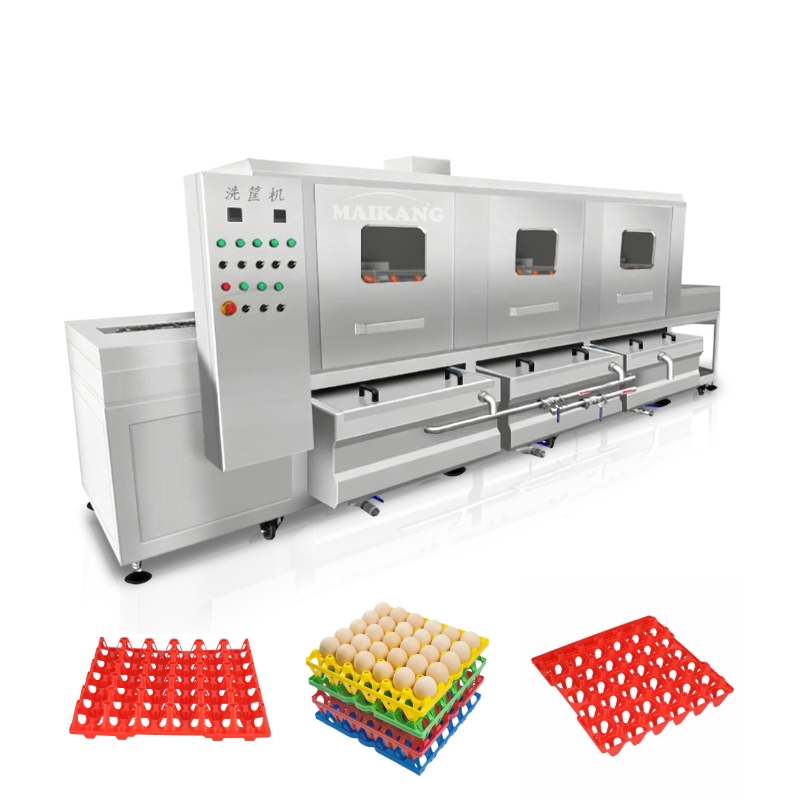
 High Pressure Egg Tray Washing Machine: Maintenance & LifespanDiscover MAIKANG's high pressure egg tray washing machine & tunnel steaming machine for frozen food processing. Learn essential maintenance tips to extend equipment lifespan by 30-50% while ensuring 99.7% bacteria removal. Optimize your food processing hygiene today!
 Tilting Basket Vortex Washer Maintenance Checklist for Stable Daily OperationTilting Basket Vortex Washer maintenance checklist for stable daily operation. Learn key inspection, cleaning, and wear-part tips to reduce downtime and improve washing performance.
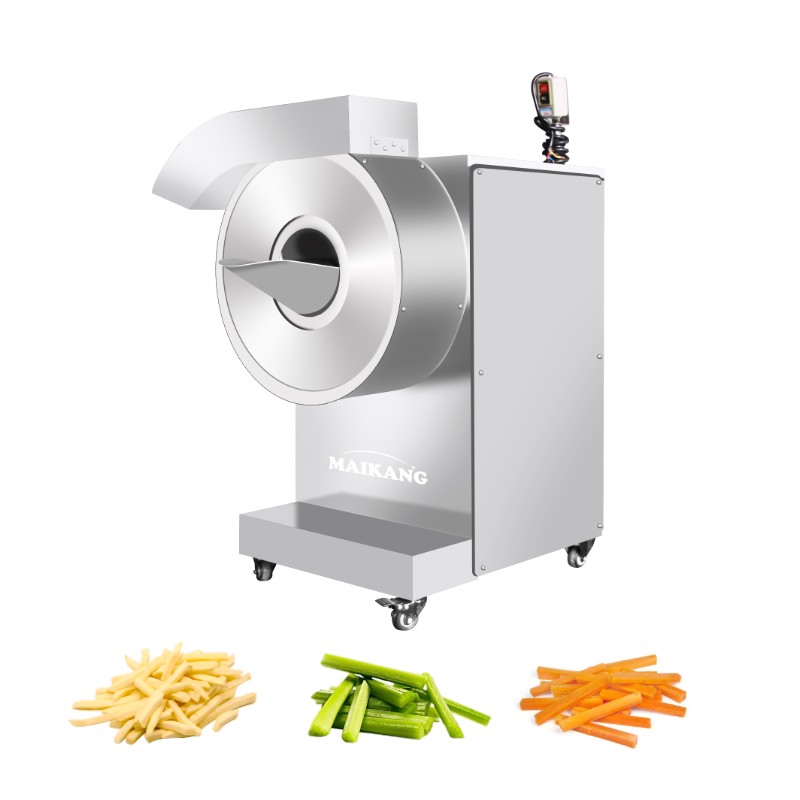
 French fry cutter with easy maintenance: what design details reduce downtimeFrench fry cutter with easy maintenance: discover the design details that cut downtime, simplify sanitation, speed blade changes, and keep high-throughput fry lines running efficiently.
 Industrial Washer vs Food Washer: What Really MattersIndustrial washer vs food washer: learn what really matters for hygiene, cleanability, utility cost, and line efficiency in food processing before you buy.